Ranelagh & Blackrock
Deep Tissue Massage
Dublin
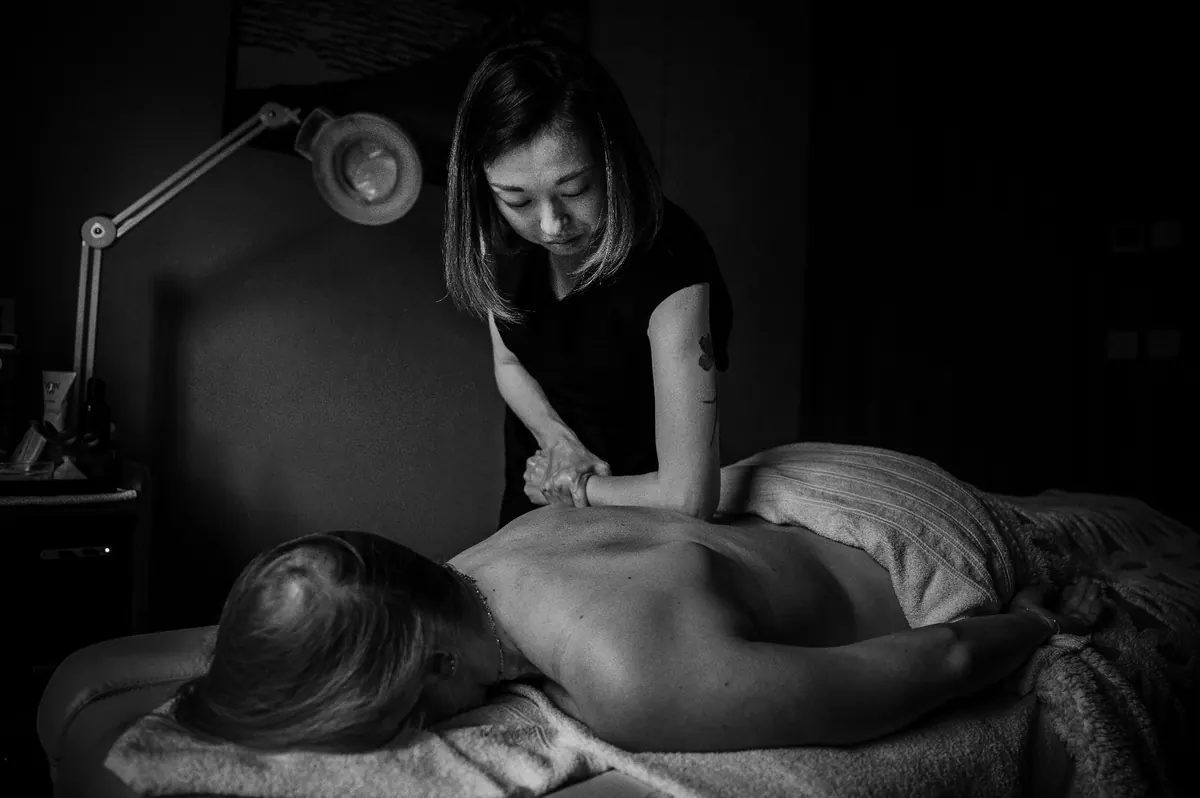
A full body massage using slow, sustained pressure to reach the deeper layers of muscle and connective tissue. Designed for those carrying long-held tension, desk-bound shoulders, tight hips, a knotted lower back, this treatment works methodically to release adhesions and restore range of motion.
★ 4.9 from 500+ Google reviews · 50% deposit secures your booking · free to change up to 24 hours before · the balance is paid in the salon
Deep Tissue Options
Deep Tissue Massage
Full body deep pressure massage for release of muscle tensions.
Full Body Aroma Deep Tissue Massage
Restorative full body deep tissue massage with aromatic oils to calm the mind while working the body.
Aroma Deep Tissue Back, Neck, Shoulder & Scalp Massage
Targeted deep tissue work on the back, neck, shoulders and scalp with aromatic oils.
Best For
Chronic Muscle Tension
Long-standing tightness in the back, shoulders, neck or hips that doesn't release with lighter pressure.
Active Lifestyles
Runners, gym-goers and athletes recovering from training load and looking to maintain mobility.
Desk Workers
Postural strain from prolonged sitting, particularly across the upper back, shoulders and neck.
What to Expect
Firm but Adjusted Pressure
Pressure is firm and worked slowly into the tissue. We continually check in so the intensity stays effective without becoming painful.
Some Next-Day Soreness
It's normal to feel a little tender the next day, similar to after a workout. Drink plenty of water and move gently.
Not Suitable If…
Please let us know if you are pregnant, on blood thinners, or have a recent injury, we can recommend a gentler treatment instead.
50% deposit secures your booking · free to change up to 24 hours before · the balance is paid in the salon
Frequently asked
Is deep tissue massage painful?
Deep tissue massage uses firm, sustained pressure but should not be painful. Your therapist will continually adjust intensity and check in throughout. It is normal to feel some next-day soreness similar to after a workout, this settles within 24 hours.
How is deep tissue different from Swedish massage?
Swedish massage uses long, flowing strokes at light to medium pressure to encourage relaxation. Deep tissue uses slower, more targeted pressure to reach deeper muscle layers, better suited to chronic tension, postural strain, and knots that lighter pressure doesn't resolve.
How often should I get a deep tissue massage?
For ongoing tension or postural strain, every three to four weeks is a good maintenance frequency. For acute tightness or recovery from a specific event, a single session often provides significant relief with a follow-up four to six weeks later.
Is deep tissue massage suitable for injury recovery?
It depends on the injury and stage of recovery. For recent injuries, we recommend a gentler treatment first and will assess suitability at consultation. Deep tissue is generally well suited to recovering from repetitive strain and chronic postural problems rather than acute injuries.